IT consulting helps businesses address complex technology challenges by resolving cybersecurity risks, compliance gaps, disaster recovery issues, legacy systems, technical debt, and outdated technology concerns. Additionally, IT consulting helps organizations manage data silos, system integration challenges, inefficient workflows, cloud migration barriers, rising IT costs, IT skills gaps, limited IT resources, digital transformation challenges, and technology planning gaps.
Growing SMBs need IT consulting when security risks, operational inefficiencies, and complex IT problems affect performance, growth, and long-term planning. The right IT consulting firm helps organizations evaluate IT needs and goals, assess industry experience, review technical expertise, analyze track records, understand assigned teams, and ensure communication and cultural alignment. A clear proposal, transparent pricing, strong security practices, and compliance knowledge help businesses select a consulting partner that can deliver reliable technology support and sustainable business growth.
Below are the 15 common challenges solved by IT Consulting:

- Cybersecurity Risks
- Compliance Gaps
- Disaster Recovery
- Legacy Systems
- Technical Debt
- Outdated Technology
- Data Silos
- System Integration Challenges
- Inefficient Workflows
- Cloud Migration Challenges
- Rising IT Costs
- IT Skills Gaps
- Limited IT Resources
- Digital Transformation Challenges
- Technology Planning Gaps
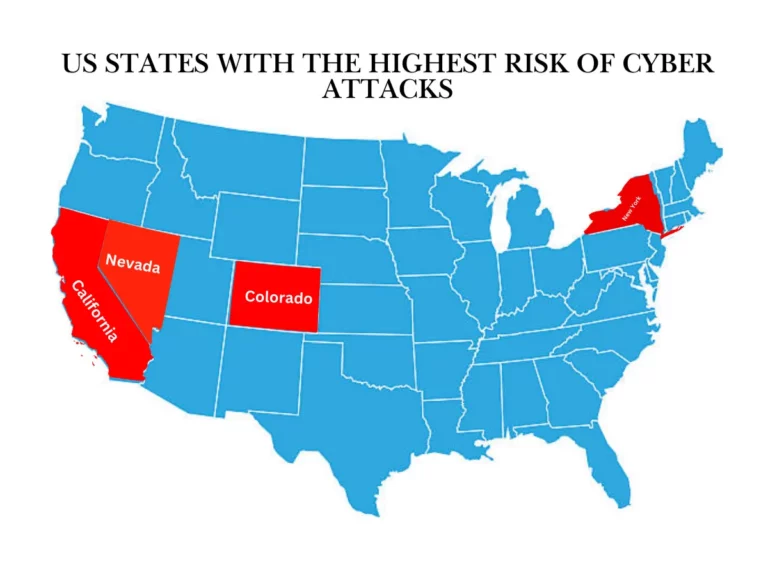
- Cybersecurity Risks
Cybersecurity risks often remain hidden until they cause data breaches, system disruptions, or unauthorized access, and IT consulting identifies these vulnerabilities through structured security assessments that detect outdated protocols, weak authentication practices, access control gaps, and other security risks. According to the IBM 2025 Security and Ponemon Institute Cost of a Data Breach Report, US organizations face an average breach cost of $10.22 million, with credential exploitation remaining a primary attack vector.
IT consulting reduces security risks by analyzing vulnerabilities, ranking their impact, and implementing security controls that align with business requirements. Security measures such as risk assessments, multi-factor authentication (MFA), role-based access control (RBAC), security policy reviews, patch management, and continuous threat monitoring help organizations protect critical digital assets. IT consultants often use established frameworks such as the NIST Cybersecurity Framework (CSF) for cybersecurity risk management and the CIS Controls for selecting and implementing prioritized security safeguards.
- Compliance Gaps
Without structured IT consulting, compliance management gaps leave growing SMBs struggling to consistently meet regulatory, contractual, and industry requirements. Inconsistent documentation, unclear responsibilities, outdated policies, incomplete access reviews, and poorly maintained records make audits harder while increasing operational risk, customer concerns, and costly remediation efforts during routine assessments or external reviews for business technology environments.
Effective regulatory compliance requires clear governance, documented processes, and continuous oversight. IT consulting strengthens compliance through policy reviews, control alignment, documentation management, governance roles, evidence collection, and periodic assessments while supporting frameworks such as ISO/IEC 27001 and the NIST Cybersecurity Framework for consistent security and compliance processes.
- Disaster Recovery
Effective disaster recovery depends on IT consulting when growing businesses identify that critical systems cannot be restored quickly after outages, ransomware incidents, or infrastructure failures. Weak backup strategies, undocumented recovery processes, undefined recovery goals, and limited testing can result in extended downtime, operational disruption, financial impact, customer dissatisfaction, and increased business risk, encouraging organizations to implement structured recovery planning.
IT consultants evaluate backup systems, recovery dependencies, restoration workflows, and business continuity requirements to identify weaknesses. They establish Recovery Time Objectives (RTO) and Recovery Point Objectives (RPO), create Disaster Recovery (DR) plans, test backups through simulations, and support technical implementation. This consulting process improves recovery readiness, reduces downtime, and strengthens long-term operational resilience. Many consultants design disaster recovery programs based on guidance from NIST SP 800-34, which provides recommendations for contingency planning of information systems.
- Legacy Systems
IT consulting solves legacy system challenges by assessing outdated infrastructure, identifying technology limitations, and creating modernization strategies that improve performance, security, and integration capabilities. Legacy systems often create operational challenges for growing businesses when unsupported software, aging hardware, and limited compatibility increase maintenance costs, security risks, and barriers to adopting modern technologies.
Through IT consulting, businesses can modernize legacy environments by evaluating system performance, recommending upgrades or migrations, improving integration with current platforms, and developing phased transition plans. This structured approach helps organizations maintain business continuity while improving system reliability, scalability, and long-term technology performance.
- Technical Debt
When a growing SMBs notices that outdated applications slow down daily operations, system changes require excessive effort, and IT teams spend more time fixing recurring issues than improving services, IT consulting helps identify and resolve the underlying technical debt. Technical debt develops when temporary fixes, outdated systems, inefficient code structures, and delayed upgrades accumulate over time, creating higher maintenance costs, security concerns, and limitations in technology scalability.
IT consulting addresses technical debt by assessing existing systems, analyzing infrastructure weaknesses, prioritizing modernization activities, and creating structured improvement plans. Consultants review application performance, optimize system architecture, recommend technology upgrades, and implement phased improvements to reduce disruption. This approach helps businesses simplify IT environments, improve system reliability, and build scalable technology foundations for future growth.
- Outdated Technology
Outdated technology creates operational challenges through aging software, unsupported hardware, and obsolete platforms, while IT consulting identifies technology gaps, evaluates infrastructure, and develops modernization strategies to improve efficiency, reliability, and security. IT consulting helps identify technology gaps and create a structured modernization path. Research shows that 62% of organizations still rely on legacy software systems, despite recognizing challenges related to security risks, performance limitations, and modernization needs ( Source: Saritasa).
To resolve these technology limitations, IT consulting addresses outdated systems by assessing current IT environments, identifying obsolete systems, recommending appropriate upgrades, and creating phased technology replacement plans. Consultants analyze system performance, improve platform compatibility, support cloud migration initiatives where suitable, and implement modern solutions that strengthen security, reliability, and operational efficiency while minimizing disruption.
- Data Silos
IT consulting helps organizations resolve data silo challenges by identifying integration gaps, evaluating data workflows, and developing strategies that improve data visibility, accessibility, and operational efficiency. Data silos create operational challenges when businesses store information across disconnected systems, departments, or applications, making data access, collaboration, and decision-making more difficult.
Research from DATAVERSITY shows that 68% of respondents identified data silos as their top data management challenge, highlighting the difficulty organizations face in connecting information across systems and teams for effective analytics, efficiency, and decision-making. To eliminate these barriers, IT consulting addresses data silos by assessing existing data environments, improving system integration, implementing centralized data solutions, and establishing effective data management practices.
- System Integration Challenges
Disconnected applications, incompatible software, and fragmented data flows create system integration challenges that IT consulting resolves by identifying compatibility gaps and connecting technology platforms. Consultants evaluate current infrastructure, design integration solutions, improve system connectivity, and implement technologies such as APIs, middleware, and cloud-based platforms to streamline workflows, improve data accuracy, and strengthen operational efficiency.
Research highlights that poor data quality, incompatible formats, hybrid cloud environments, and real-time integration requirements are among the key challenges preventing seamless data exchange (Source: IBM). IT consulting solves this complexity by assessing system environments, identifying integration gaps, implementing suitable integration solutions, and improving data connectivity between business applications.
- Inefficient Workflows
IT consulting helps SMBs resolve inefficient workflows by analyzing existing processes, identifying operational bottlenecks, and implementing technology solutions that improve automation, collaboration, and productivity. Manual processes, repetitive tasks, and disconnected workflows often create delays, increase errors, and reduce overall operational efficiency.
To improve these workflow challenges, IT consulting evaluates business processes, optimizes technology usage, integrates suitable tools, and automates repetitive activities. Consultants redesign workflows, improve system connectivity, and implement solutions such as workflow automation platforms and business applications to reduce delays, improve accuracy, and create streamlined operational processes.
- Cloud Migration Challenges
IT consulting supports cloud initiatives by helping growing businesses migrate applications, data, and workloads while maintaining business continuity. Flexera’s 2025 State of the Cloud Report found that 84% of organizations consider managing cloud spend their top cloud challenge, while Kyndryl’s 2025 Cloud Readiness Report revealed that 70% of CEOs said their current cloud environments were built “by accident rather than by design.” Together, these findings highlight the need for strategic IT consulting to assess application dependencies, modernize legacy systems, establish governance, prioritize workloads, and optimize cloud costs before and throughout cloud migration projects.
Strategic IT consulting helps SMBs manage cloud adoption by evaluating technology requirements, reducing migration risks, improving cloud performance, and creating cost-efficient cloud environments that support business continuity and long-term scalability. Consultants also establish cloud governance practices, prioritize workloads, and optimize resources to ensure reliable and controlled cloud operations.
- Rising IT Costs
Increasing software subscriptions, infrastructure expenses, maintenance costs, and inefficient technology investments can create budget pressure for SMBs, while IT consulting helps identify unnecessary spending, optimize technology resources, and develop cost-effective strategies that improve financial control. By improving technology governance and spending visibility, consultants help businesses reduce unnecessary expenses while ensuring technology investments support long-term operational goals.
Recent research from Gartner estimated that worldwide IT spending would reach approximately $5.61 trillion in 2025, representing a 9.8% increase from 2024, driven by higher spending on software, cloud services, infrastructure, and technology modernization ( Source: Gartner, 2025). IT consulting helps organizations address these challenges by evaluating technology investments, identifying redundant applications, optimizing cloud usage, improving vendor management, and developing cost-effective IT roadmaps.
- IT Skills Gaps
Limited technical expertise, difficulty hiring skilled professionals, and gaps in cybersecurity, cloud, and system management knowledge can create IT skills challenges for SMBs, where IT consulting helps bridge these gaps by providing specialized expertise, guidance, and technology support.IT consultants provide strategic guidance, technical resources, and ongoing support that help SMBs address skill shortages while maintaining effective technology management.
IT consulting addresses IT skills gaps by assessing internal capabilities, identifying technical limitations, and providing access to experienced technology professionals. Consultants support employee training, implement industry best practices, guide technology adoption, and improve IT processes, helping SMBs manage complex systems, maintain reliable operations, and build stronger internal technology capabilities.
- Limited IT Resources
Growing SMBs often seek IT consulting when limited internal IT capabilities make it challenging to manage daily operations while advancing future technology initiatives. Small IT teams frequently handle user support, infrastructure management, cybersecurity tasks, vendor coordination, and strategic technology projects simultaneously, reducing their capacity to assess long-term technology decisions or manage evolving business demands.
Recognizing internal IT limitations helps businesses make informed decisions about where external expertise provides the most value. A structured IT consulting approach evaluates workloads, identifies skill gaps, prioritizes technology improvements, creates roadmap plans, assigns operational responsibilities, and documents important processes, enabling SMBs to strengthen IT capabilities without placing excessive pressure on existing teams.
- Digital Transformation Challenges
Rapid technology changes, outdated processes, limited resources, and unclear transformation strategies can create digital transformation challenges for SMBs, so IT consulting helps businesses plan, implement, and manage technology improvements that align with operational goals.
A 2025 digital transformation survey found that 54% of organizations reported lacking the necessary expertise to successfully execute digital transformation programs, highlighting the importance of strategic guidance, technology planning, and external expertise during modernization efforts ( Source: Market.us, 2025). To solve this, IT consultants provide strategic guidance, assess current systems, identify modernization opportunities, and create structured transformation roadmaps that reduce complexity and implementation risks.
- Technology Planning Gaps
IT consulting helps SMBs overcome technology planning gaps by assessing current IT environments, identifying business technology needs, and developing structured roadmaps that align technology investments with operational goals. Technology planning gaps often occur when businesses lack clear priorities, long-term strategies, or proper resource allocation for managing future IT requirements.
To address these challenges, IT consulting evaluates existing systems, defines technology objectives, prioritizes initiatives, creates implementation plans, and establishes governance processes. Consultants help SMBs make informed technology decisions, improve resource planning, reduce unnecessary investments, and build scalable IT strategies that support business growth and operational efficiency.
Why Do Businesses Need IT Consulting?
Businesses need IT consulting to access specialized expertise, identify technology risks and gaps, optimize IT operations, make informed technology investment decisions, and build scalable systems that support future business growth. By aligning technology with business objectives, IT consulting services improve operational efficiency, reduce risk, and enable organizations to adapt more effectively to changing business and technology requirements.
5 key factors businesses need from IT consulting are:
- Access Expert Support for Complex IT Problems
IT consulting provides businesses, especially small and mid-sized businesses (SMBs), with expert guidance to solve complex technology challenges beyond the capabilities of internal IT teams. Experienced consultants troubleshoot infrastructure, cybersecurity, cloud, networking, and software issues, recommend practical solutions, and support critical IT projects while minimizing operational disruptions.
- Find Security Risks, System Weaknesses, and Technology Gaps
Hidden vulnerabilities and outdated technologies can expose SMBs to operational and security risks, making IT consulting essential for identifying weaknesses before they become major problems. Comprehensive assessments uncover technology gaps, prioritize improvements, and strengthen the security, stability, and performance of the IT environment.
- Improve Daily Operations Through Better IT Systems
Daily business operations become more efficient when IT consulting improves the performance, reliability, and usability of existing IT systems. Optimized workflows, reduced downtime, process automation, and standardized IT practices enable employees to work more productively while maintaining consistent service delivery.
- Make Better Decisions About Software, Cloud, and Infrastructure
Choosing the right technology investments becomes easier when IT consulting provides objective guidance on software, cloud platforms, and infrastructure solutions. Business requirements, costs, scalability, and long-term performance are carefully evaluated to recommend technologies that align with operational goals and future growth.
- Prepare IT Systems for Business Growth and Change
As SMBs’ requirements evolve, IT consulting helps organizations prepare their IT systems to support expansion, changing workloads, and future technology demands. Scalable infrastructure, modern system architecture, and strategic technology planning ensure IT environments remain flexible, reliable, and ready for long-term business growth.
How Do Businesses Choose the Right IT Consulting Firms?

Businesses choose the right IT consulting firm by assessing their IT needs, evaluating experience and proven results, reviewing project delivery and security practices, and comparing proposals to select the right IT consulting partner or MSP. A structured evaluation helps SMBs reduce implementation risks, make informed technology decisions, and build a reliable partnership that supports long-term operational success.
8 key factors businesses should consider while choosing the right IT consulting firms are:
- List the IT Problems That Need Outside Support
Clearly identify the IT problems that require external expertise, such as cybersecurity, cloud adoption, infrastructure modernization, software implementation, or network optimization, before evaluating IT consulting firms. Defining technical challenges, business goals, and project priorities helps narrow the search to firms with the right capabilities.
- Shortlist Firms with Experience in Similar Projects
Choose IT consulting firms with proven experience in projects similar to your business requirements. Relevant industry knowledge and technical expertise improve the likelihood of successful project delivery and practical technology recommendations.
- Ask for Examples of Completed Work and Measurable Results
Review case studies, completed projects, and measurable results to verify the IT consulting firm’s capabilities before making a decision. Client success stories, project outcomes, and documented performance improvements demonstrate the firm’s ability to deliver reliable IT consulting services.
- Confirm Who Will Manage the Project and Provide Support
Confirm who will manage the project and provide ongoing support throughout the engagement. Understanding team responsibilities, communication channels, and support availability helps establish clear expectations from the start.
- Request a Clear Proposal with Scope, Timeline, and Cost
Ask for a detailed proposal that outlines the project scope, timeline, deliverables, and total cost. A transparent proposal minimizes misunderstandings and allows businesses to compare consulting firms more effectively.
- Check How the Firm Handles Security, Data, and Compliance
Evaluate the firm’s approach to security, data protection, and regulatory compliance before signing an agreement. Strong governance practices help protect business information and reduce operational and compliance risks.
- Speak with Past Clients Before Making the Final Decision
Talk to previous clients to understand their experience with the IT consulting firm. Client feedback provides valuable insight into communication, technical expertise, project delivery, and ongoing support quality.
- Consult the Selected Firms to Compare Their Recommended Solutions
Compare the recommended solutions from shortlisted IT consulting firms before selecting a technology partner. Evaluating different approaches, implementation strategies, and long-term value helps identify the solution that best supports business goals.